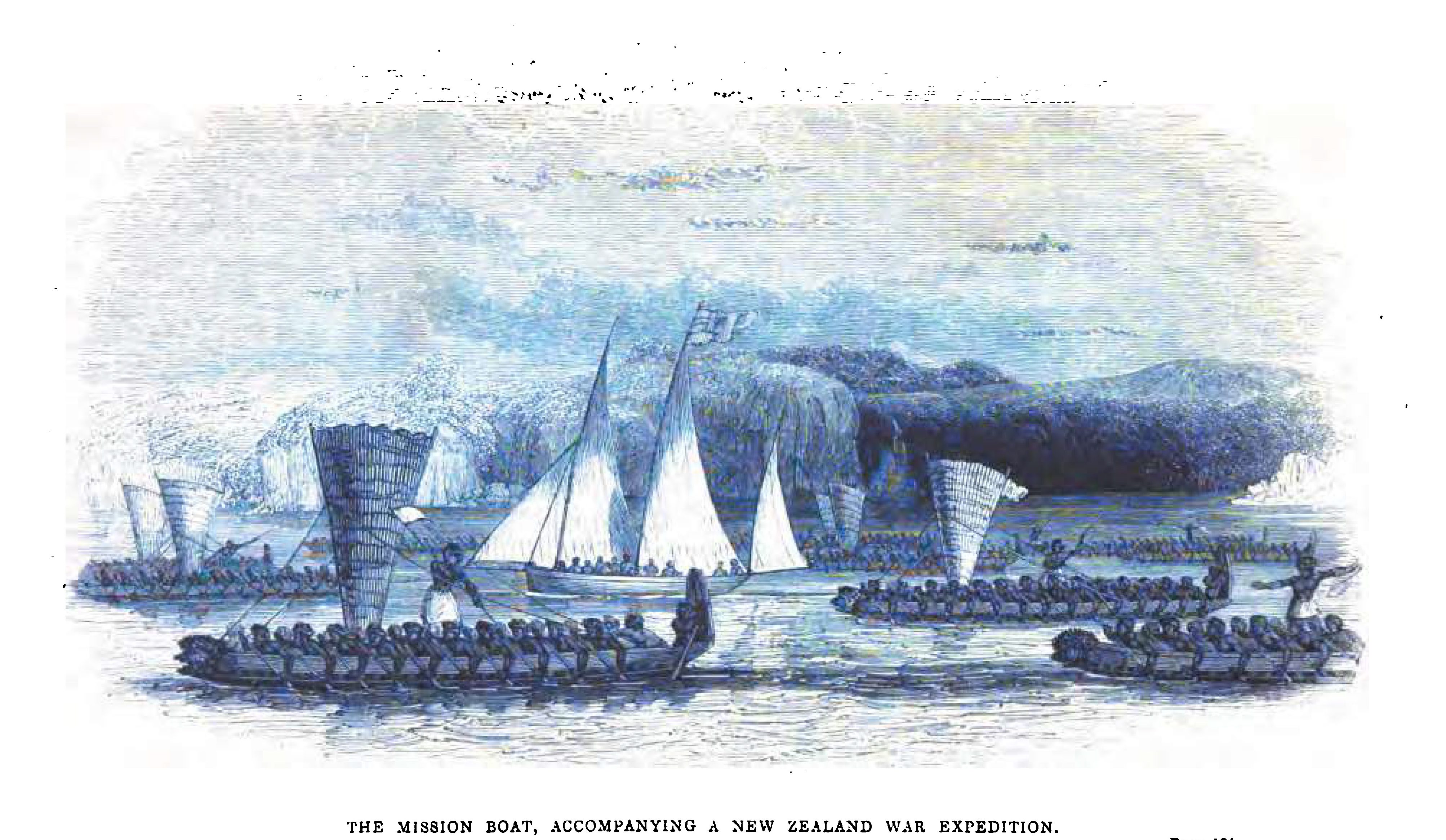
On 25 June 2026, I gave a lecture in Tauranga Moana at an event (organized by Karuwhā Trust) commemorating the arrival of the Rev. Henry Williams to Tauranga 200 years previously. In June 1826, the CMS party, consisting of Māori and Pākehā, including the host chief of the Paihia mission settlement, preached the gospel of peace in Tauranga region for the first time, while they also acquired a boat load of potatoes for the mission schools back home.
In this lecture, I explored ‘the dialogic relationship between Christian and Māori peace’. I narrated the engagements of Williams with Tauranga tribes and Ngāpuhi over the 1820s-30s to show how the many strands of Christian and Māori peace were woven together into a new kind of cultural fabric – a new kind of tikanga or practice – that combined a Christian Gospel of Peace (forgiveness of enemies and peace with God) with a Māori tikanga-driven practice of making peace – through mediated agreements by designated peacemakers. In this new era, the peacemakers were both Māori chiefs and missionaries, and the symbolic tools included the old taonga of tapu (sacred) weaponry and the new sacred symbols of white flags, white feathers and the like, and the Scriptures/te Paipera Tapu.